Recognised nationally
Five national awards since 2004: the IDP Award (the first school ever to win it), NEAS Gold Standard in 2018, NEAS national awards in 2021 and 2022, and an Australian Education Awards honour in 2024.
See our awards
John Paul College International, Brisbane — welcoming international students for 30 years.
Premier of Queensland’s Export Awards — Winner 2022 and Finalist 2026, awarded to JPC International · The Educator 5-Star medals 2023–2026, awarded to John Paul College, the College we are part of. The full record →
Primary to Year 12
Our strongest median ATAR on record — and ahead of the Queensland average in every NAPLAN subject at Years 3 and 5.
See our full results and every year since 2020Across all five subjects at Years 3 and 5 in 2026 — in their second language, with no student withdrawn or exempted.
98%
of their results were at or above the expected level
64%
were above it — ACARA level Exceeding
reach the expected level or beyond, against a Queensland average of 67%. Our results have improved three years in a row.
NAPLAN is sat by every child in Years 3, 5, 7 and 9, on the same days, right across Australia — which is what makes it comparable between schools. See the full NAPLAN detail
The ATAR (Australian Tertiary Admission Rank) is the score Australian universities use to offer places. It runs from 0 to 99.95. International students sit the same subjects and the same external examinations as everyone else. Percentages are of the known ATAR-eligible Year 12 cohort. What is the ATAR?
Thirty-three hectares in Daisy Hill, shared by children from over 45 nationalities. Sport, music, science and the pool are all a walk from the classroom — not a bus ride, not an extra fee, and not something your child has to choose between.
Five national awards since 2004: the IDP Award (the first school ever to win it), NEAS Gold Standard in 2018, NEAS national awards in 2021 and 2022, and an Australian Education Awards honour in 2024.
See our awardsOur primary school delivers the International Baccalaureate Primary Years Programme. Our secondary school follows the Australian Curriculum, then the Queensland Certificate of Education and an ATAR for university entry.
See our coursesHome of Australia’s first NEAS-endorsed Primary Preparation Course, with High School Preparation taught by our own language specialists — on the same campus your child will graduate from.
Find Your Starting PointThe Stephen Paul Aquatic Centre, the Stephen Bean Theatre, the Stephen Bowers Oval, a Science Centre, a dance studio and the Noelene Munns Learning Centre — all inside the school gate.
See the campus map13 or more inter-school sports across all four terms — and a High Performance Academy for students who pursue representative pathways at state and national level.
See the sport programAn award-winning performing arts program: bands, string orchestras, choirs and chamber groups, with lessons from Prep to Year 12. Our graduate Kris played in eight ensembles.
See the music programThirty-three hectares of Australian bushland, purpose-built so students learn well and enjoy every day of school. Bring your families here without the flight — everything inside the gold line is ours. Open a film to fly across it.
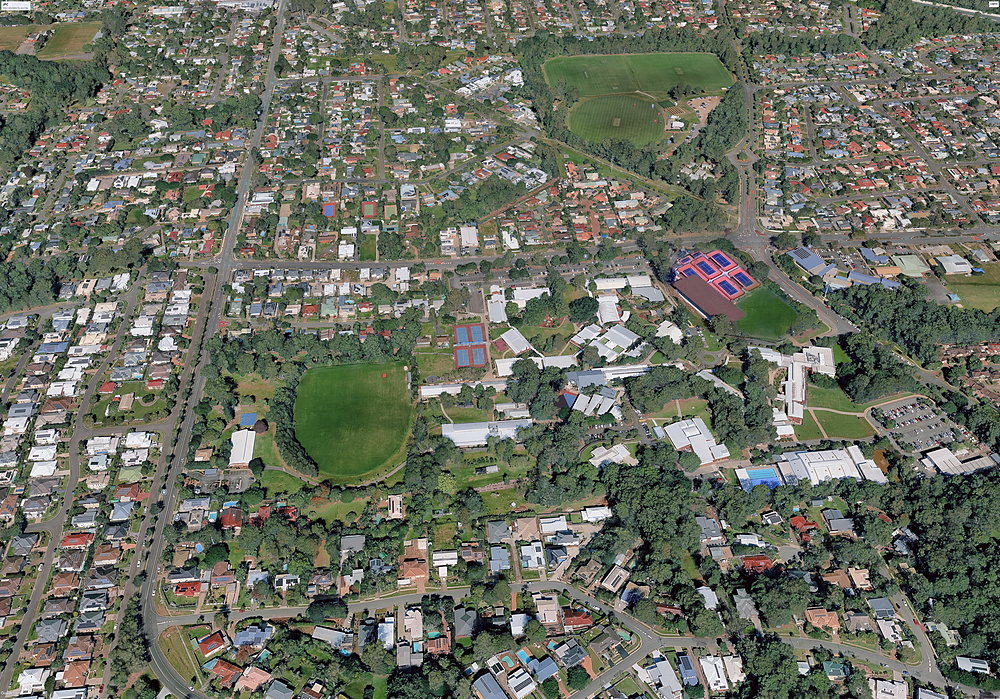
Want to look inside the buildings? Walk the campus in 360°
Where a student starts depends on their English. Some join regular classes straight away. Others begin in a preparation program taught on our own campus by our own specialist teachers — very few Australian schools do this in-house — then move across when they are ready. From there the path is the same: primary school, secondary school, then Years 11 and 12 and an ATAR, the rank Australian universities use to offer places. Every program below has four intakes a year: January, April, July and October.
Every starting point has its own tuition and CRICOS code — see the full fee schedule and entry requirements.
Not sure which year level your child would enter, or what the whole journey costs?
Try the Pathway CalculatorSport, music and clubs are how students build confidence, friendships and character — all on the one campus, a walk from class.
Foundation level to the High Performance Academy, with pathways to state and national level.
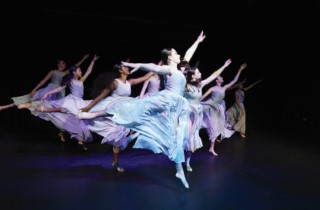
Bands, choirs, dance and the College Musical — with partners including Queensland Ballet.
Art, Community Care, Debating, Esports, Writers and Young Designers — running all year.
Offerings are current as of the 2025 co-curricular program — the full list is on School Activities & Sport.
Student life and wellbeing are the International team’s core focus — a happy, settled student is a student who is ready to learn. Both homes come with ongoing support, a dedicated accommodation team who look after each student, and specialist welfare for under-18s, as required under CRICOS — including a 24/7 emergency hotline, for emergencies at any hour.

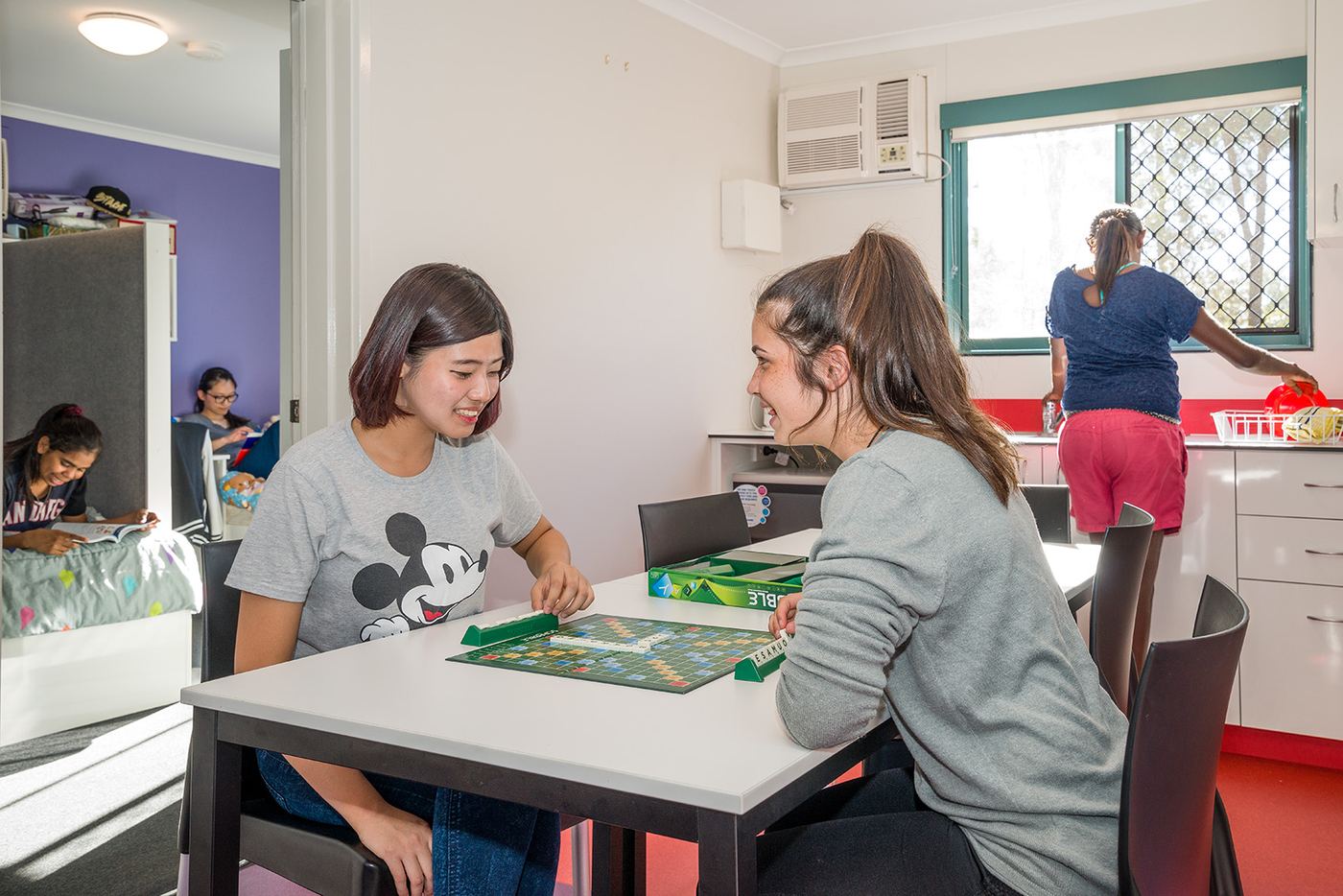
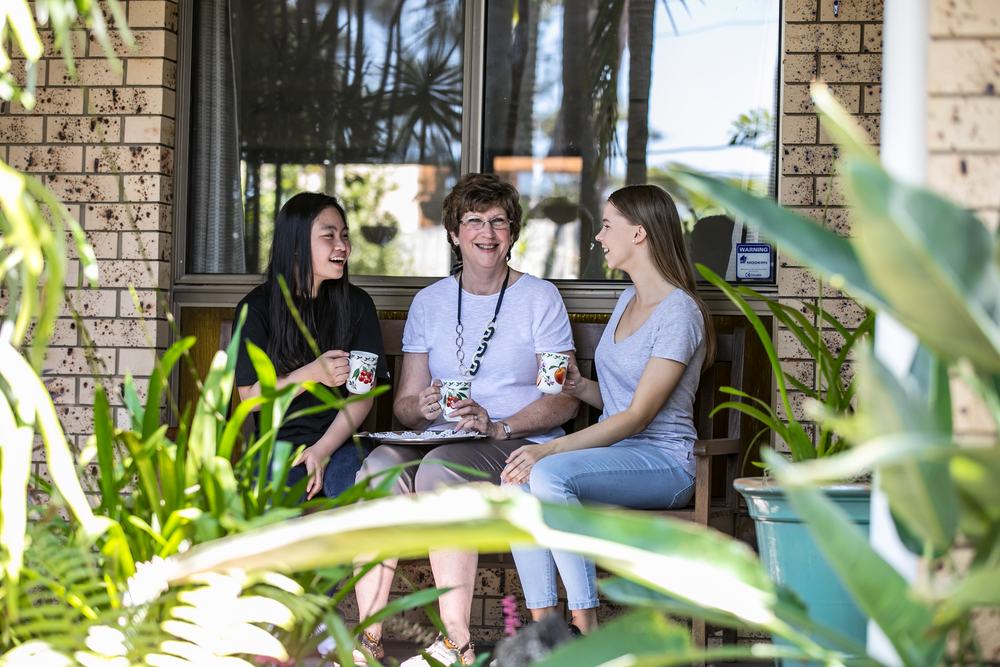
Still deciding? Our International team will help you choose the right fit for your family. book a free consultation.
Confidence is learned, in the same way a subject is learned. At John Paul College, every student from Prep to Year 12 is taught how to build friendships, set goals and keep going when work is hard. This is what helps a child settle quickly in a new country, and it is what turns effort into strong results.
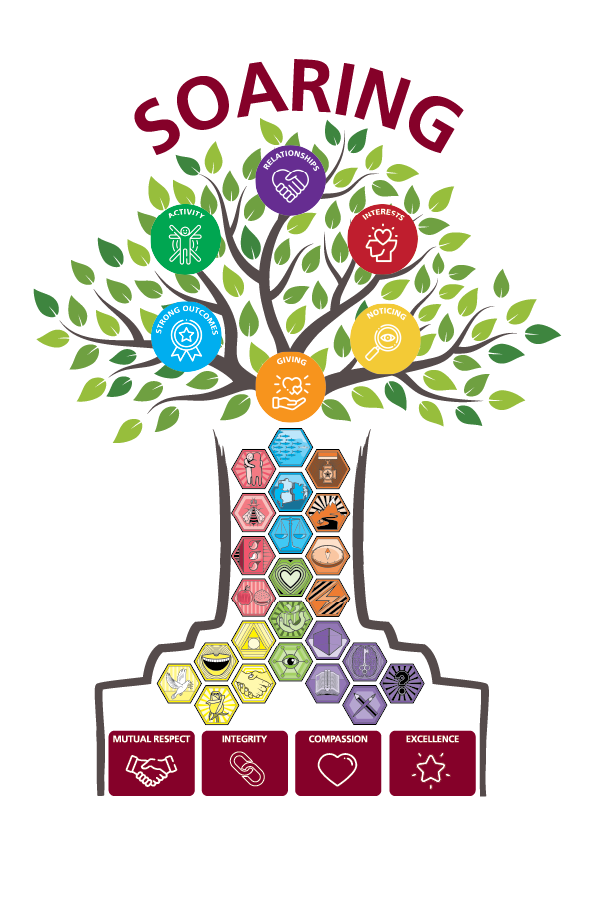
SOARING is our own wellbeing and character framework — built on Positive Psychology and taught in every year from Prep to Year 12. Select a branch of the JPC SOARING Tree to see the skills it develops.
Establishing, striving for and achieving personal goals, in belief in oneself — important for self-esteem and wellbeing, and helping to cultivate resilience when students face challenges in life.
Valuing our physical and mental wellbeing through exercise, nutrition and sleep. Learning what it means to lead a healthy lifestyle, underpinned by positive attitudes, is vital for young people.
Nurturing positive connections with others through relational awareness and social management — communication, collaboration, leadership, decision-making and conflict resolution.
Experiencing moments of complete engagement in personal interests. Being ‘in the zone’ is the perfect balance of challenge and the application of key strengths and skills.
Developing self-awareness and the ability to build upon positive emotional experiences — enhancing creativity, resilience, perseverance and wellbeing.
Exploring one’s unique sense of meaning and purpose by engaging in experiences that let us think and feel beyond ourselves. Aligning with what we value most gives students a real sense of purpose.
SOARING is taught alongside Friendology 101, an international program that teaches children the skills of friendship. Each year has its own focus — Begin, Explore, Share, Care, Think, Create, Lead.
See our primary wellbeing program Years 7 – 12SOARING develops twenty-four character strengths through the years in which confidence is formed. Students learn to identify their strengths and to practise them.
See our secondary wellbeing programFor a child who will study, work and lead in a second language, this is not an optional extra. A settled, happy student is a student who is ready to learn. Confidence, teamwork and the willingness to contribute are what turn strong results into real opportunities.
It lasts, too. Jessica arrived from Vietnam in 2016 to a homestay welcome and ten weeks of English preparation. She finished school here, took a law degree at Queensland University of Technology, and is now a lawyer.
Who can join, when they start, and what it costs — for one student, in Australian dollars.
English, school reports and a Head of School interview are weighed together — no single factor decides.
| Entering | CEFR | IELTS |
|---|---|---|
| Years 11–12 | B2 | 6.0+ |
| Years 9–10 | B2 | 6.0 |
| Years 7–8 | B1+ | 5.5 |
| Primary Years 4–6 | B1 | — |
| Preparation (PSP / HSP) | No external test needed | |
Benchmarks are a guide — Cambridge, AEAS and EIKEN equivalents are on entry requirements. Students below a benchmark start in the preparation pathway, on our own campus.
Four intakes a year — January, April, July and October. 2027 school terms:
| Term 1 | 27 Jan – 25 Mar |
| Term 2 | 13 Apr – 18 Jun |
| Term 3 | 13 Jul – 17 Sep |
| Term 4 | 5 Oct – 26 Nov |
Full calendar on term dates.
Tuition, shown the way your family is planning:
A semester is two terms; a year is four.
Plus Overseas Student Health Cover, uniform and textbooks — itemised on the full 2027 fee schedule, published in eight languages. Figures are a guide — confirm exact amounts against the Written Agreement or with the enrolments team before any payment is made. A refund policy applies.
Bring us the family — we will do the rest. The right year level, the right entry route, and what it costs. The College pays your service fee, and we reply within two business days.
Six friendly faces, six languages, one promise: you never work alone. Ask us anything — there is no such thing as too early.
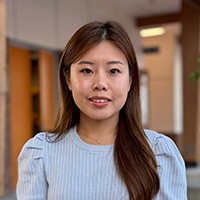
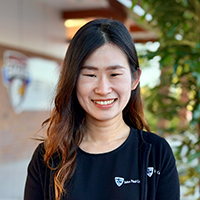
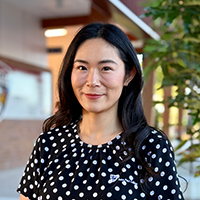
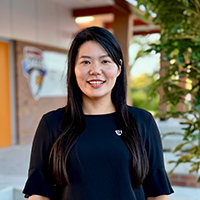
We reply within two business days.
Annual tuition for 2027 is A$34,900 for Senior Secondary (Years 11–12), A$34,300 for Junior Secondary and the preparation programs, and A$29,500 for Primary School. Homestay is A$25,100 a year (46 weeks) and boarding is A$27,350 a year (37 weeks). Figures are a guide — confirm exact amounts against the Written Agreement or with the enrolments team.
No external test result is needed to apply to the JPIC preparation programs. Direct entry uses guide benchmarks from IELTS 5.5–6.0+ by year level, weighed together with academic reports and a Head of School interview — no single factor decides.
There are four intakes a year — January, April, July and October. Direct entry runs from Prep to Year 12, and preparation students join the next mainstream intake when they are ready.
The College pays it. JPC's authorised agents cost families nothing, and only agents on the published directory are formally authorised to represent JPC.
Yes — Short-Term Study Abroad places individuals and groups in real classrooms for four weeks to one year. It does not offer Year 12 and does not offer boarding; students wanting Year 12 and an ATAR enrol full time.
Every table on this page — the 2027 fee schedules in eight languages, the prospectus, program flyers and photography — is in the agent resource library. Questions after today? We reply within two business days.