International students walking together across the leafy John Paul College campus in Daisy Hill, Brisbane, Australia
A Family's Guide

Choosing an

A clear, honest guide to comparing schools for international students — and how John Paul College measures up.

Start Here

First, what do you mean by “international school”?

There is no single “best” international school in Brisbane. The best school is the one that fits your child. This guide shows you what to compare.

One quick point first. In Brisbane, the words “international school” can mean two different things. Knowing the difference helps you choose well.

An overseas-curriculum school

Teaches a foreign curriculum (often the IB) mainly for expatriate families living in Australia for a few years.

An Australian school that welcomes the world

A local school — like John Paul College. Overseas students join Australian classes, with extra English support and care. They graduate with a QCE and an ATAR (the rank used for university entry in Australia).

If you want your child to finish school in Australia and go to an Australian university, the second kind is usually the right choice. John Paul College has done exactly this for around 30 years — in Daisy Hill, a safe and welcoming part of Brisbane. Why Brisbane & Queensland

Your Checklist

7 things to check before you choose a school

Use these seven points to compare any Brisbane school for international students. Below, we show honestly how John Paul College measures up against each one.

  • CRICOS registration

    Only registered schools may legally enrol international students.

  • English support

    Most overseas students need help with academic English.

  • University pathways

    The pathway decides which universities your child can reach.

  • Safe accommodation

    Where your child lives shapes their safety and wellbeing.

  • Wellbeing program

    Happy, supported students settle faster and learn better.

  • Real results

    Graduate outcomes show whether a school delivers.

  • Total cost

    Compare the whole cost of study, not tuition alone.

The Comparison

What to look for — and how JPC compares

A fair, side-by-side guide. Use the left two columns for any school you are considering; the right column shows John Paul College.

What to look for Why it matters How John Paul College does it
CRICOS registration Only CRICOS-registered schools may enrol international students, and they must meet national welfare standards. CRICOS 00500B — registered and welcoming international students for around 30 years.
English support Most international students speak English as a second language and need real classroom support. On-campus ELICOS English preparation — taught on our own campus, not outsourced — building a strong foundation for a high ATAR.
University pathways The pathway your child follows decides which universities and careers open up later. QCE + ATAR first, with an interactive Year 10 pathway planner families can use themselves. 2025 median ATAR of 91.
Accommodation Where a student lives shapes their safety, wellbeing and English every single day. Premium homestay with the JPC CARE framework and a daily Extended Day Program, plus on-campus boarding and 24/7 support for under-18s.
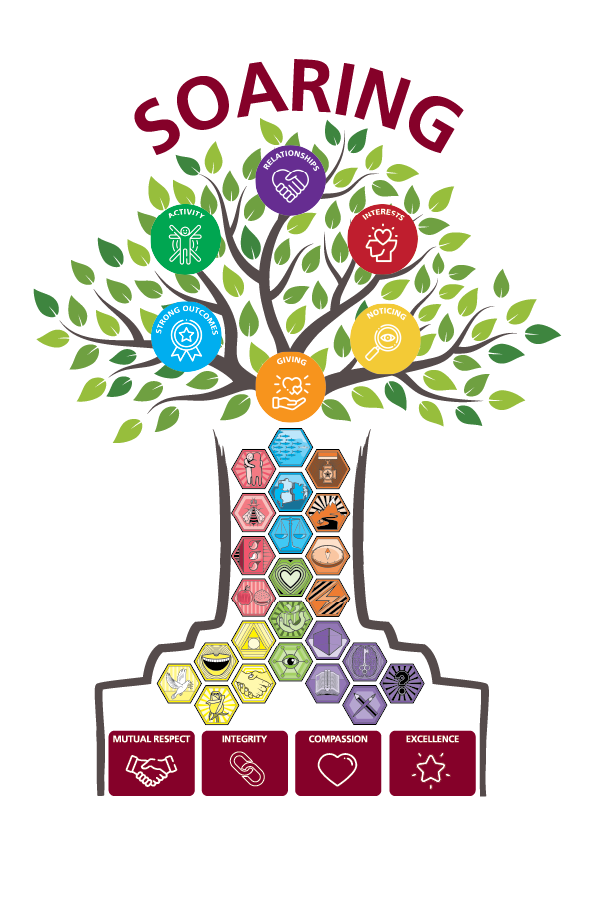
Wellbeing Students who feel safe and supported settle in faster and achieve more. Our own SOARING wellbeing program — building confidence and resilience, not just marks.
Real outcomes Published results show whether a school truly delivers for its students. 2025 median ATAR 91; 99.4% QCE attainment. See results.
Total cost Compare the whole cost — tuition, English prep, living, insurance and extras — not tuition alone. A clear fee schedule covering every stage. Ask for the full fees.
Points of Difference

Four things that set JPC apart

Most schools can tick the basic boxes. These four are where John Paul College goes further — and they are a big part of why international families choose us.

1

Premium homestay, JPC CARE & the Extended Day Program

Your child is cared for beyond the classroom. Premium homestay places them with a checked, government-approved family. The JPC CARE framework wraps support around every student. And our Extended Day Program adds homework help, activities and a shared meal on Tuesdays and Thursdays — a level of care few schools offer.

2

An interactive Year 10 pathway planner

Choosing subjects is one of the hardest decisions for a family. Our Year 10 University Pathways tool lets parents and students explore, side by side, how subject choices at JPC lead to their child's university and career goals. It is a hands-on planner families can use themselves — a feature you won't find at most schools.

3

Wellbeing that builds confidence & resilience

Great results matter — but so does a happy, confident child. Our own SOARING wellbeing program, built on Positive Psychology, helps students grow in confidence and resilience, make friends and find their strengths. Students who feel supported settle in faster and achieve more.

4

On-campus English preparation (ELICOS)

Your child learns English on our own school campus — not at a separate language college across the city. Very few Australian schools teach ELICOS English preparation on the same campus as their high school. A strong foundation in English is the key to a high ATAR — and to leading universities in Australia and around the world.

Registered & Experienced

A school you can trust

CRICOS registration is the first thing to check. It means a school is approved by the Australian Government to enrol international students and must meet strict care and quality standards.

00500B
CRICOS provider code — fully registered
30
Years welcoming international families
91
Median ATAR 2025 — university-ready
99.4%
QCE attainment — Queensland Certificate
An international student working with a teacher in a John Paul College classroom in Brisbane
English Support

English help that builds confidence

Most of our international students speak English as a second language when they arrive. That is normal, and we plan for it.

Specialist teachers help each student improve their English quickly and confidently — so they can follow their classes, make friends and enjoy school life. Our High School Preparation program is the bridge from arrival to full-time Australian study.

Explore English preparation
Pathways

A clear road to university

At John Paul College, students work toward the Queensland Certificate of Education (QCE) and an ATAR — the rank used for entry to Australian universities.

A higher ATAR means more university choices, in Australia and overseas. For students with different goals, career and vocational options are available too as a smaller alternative — but for most international families, university is the goal, and the QCE + ATAR pathway is the focus.

International graduates of John Paul College in gowns, ready for university in Australia
Living in Brisbane

A safe, supported home away from home

Two trusted ways to live and learn in Brisbane. Both include specialist welfare and 24/7 support for students under 18.

Homestay

Live with a caring, government-approved local family. A warm family experience, home-cooked meals and daily English practice — wrapped in the JPC CARE framework.

About homestay

Boarding Village

A small, friendly on-campus community, moments from class, with supervised study and staff support close at hand.

About boarding

Every option includes specialist welfare, round-the-clock support for under-18s, and our daily Extended Day Program.

The John Paul College SOARING Tree — the College's own student wellbeing and character program
Wellbeing

Students who feel happy and safe

A great school looks after the whole child, not just their marks. Ours does this through the JPC CARE framework and the SOARING program — our own wellbeing model, based on Positive Psychology.

SOARING helps students build confidence, friendships, healthy habits and a sense of purpose — so they settle in quickly and thrive far from home.

Explore SOARING wellbeing
Understanding Cost

Compare the whole cost, not just tuition

The cheapest tuition is not always the best value. When you compare schools, add up everything a year of study really includes:

  • Tuition fees for each year level
  • English preparation, if needed
  • Homestay or boarding, and meals
  • Overseas Student Health Cover (OSHC)
  • Uniforms, devices, excursions and activities

We are happy to walk your family through a clear, all-in fee schedule for your child's year level and pathway — with no surprises.

Good to Know

Frequently Asked Questions

Is John Paul College an international school?

John Paul College is an established Australian school in Brisbane that has welcomed international students for around 30 years. It is not an ‘international school’ in the sense of an overseas-curriculum school for expatriate families. Students study the Australian curriculum and can earn the Queensland Certificate of Education (QCE) and an ATAR for university entry.

What makes John Paul College different from other international schools in Brisbane?

John Paul College stands out in four ways. First, its English preparation (ELICOS) is taught on the College’s own campus, not outsourced to a separate language college — building the strong English foundation students need for a high ATAR. Second, premium homestay with the JPC CARE framework and a daily Extended Day Program. Third, an interactive Year 10 pathway planner families can use to map subject choices to their child’s goals. Fourth, the SOARING wellbeing program, which builds confidence and resilience alongside strong academic results.

What is the difference between an international school and a school for international students?

An ‘international school’ usually teaches an overseas curriculum, often the IB, for expatriate families living abroad. A school for international students, like John Paul College, is a local Australian school that welcomes overseas students into its Australian programs, with extra English support and care. For families who want their child to graduate in the Australian system and enter an Australian university, the second type is usually the better fit.

What should I look for in the best international school in Brisbane?

Check seven things: CRICOS registration so the school can legally enrol international students, English-language support, clear university and career pathways, safe accommodation such as homestay or boarding, a student wellbeing program, real graduate results, and the full cost. John Paul College is CRICOS registered (00500B) and offers all of these.

Is John Paul College CRICOS registered?

Yes. John Paul College’s CRICOS provider code is 00500B. CRICOS registration means the school is approved by the Australian Government to enrol international students and meets national quality and student-welfare standards.

Should international students choose boarding or homestay in Brisbane?

Both are safe, supported choices at John Paul College. Homestay places students with a checked, government-approved local family for a warm family experience and daily English practice. Boarding offers a small, supervised on-campus community close to classes. Every option includes specialist welfare and 24/7 support for students under 18.

What is the Extended Day Program at John Paul College?

The Extended Day Program runs on Tuesday and Thursday afternoons for international students. It includes homework help, tutoring, wellbeing activities and a shared evening meal, so students get extra support and a caring daily routine. Together with the JPC CARE framework and premium homestay, it is a point of difference few schools offer.

How do international students get into Australian universities from John Paul College?

Students complete Years 11 and 12, earn the Queensland Certificate of Education (QCE) and receive an ATAR, the rank used for university entry in Australia. In 2025, John Paul College students achieved a median ATAR of 91. The College also offers career and vocational pathways as a minor alternative for students with different goals.

Let's Find the Right School Together

Still comparing schools in Brisbane? Talk to our international team — we'll answer your questions honestly and help you find the best fit for your child.