Professional Development · Brisbane, Australia
School Preparation Conference
Strong Starts, Successful Journeys
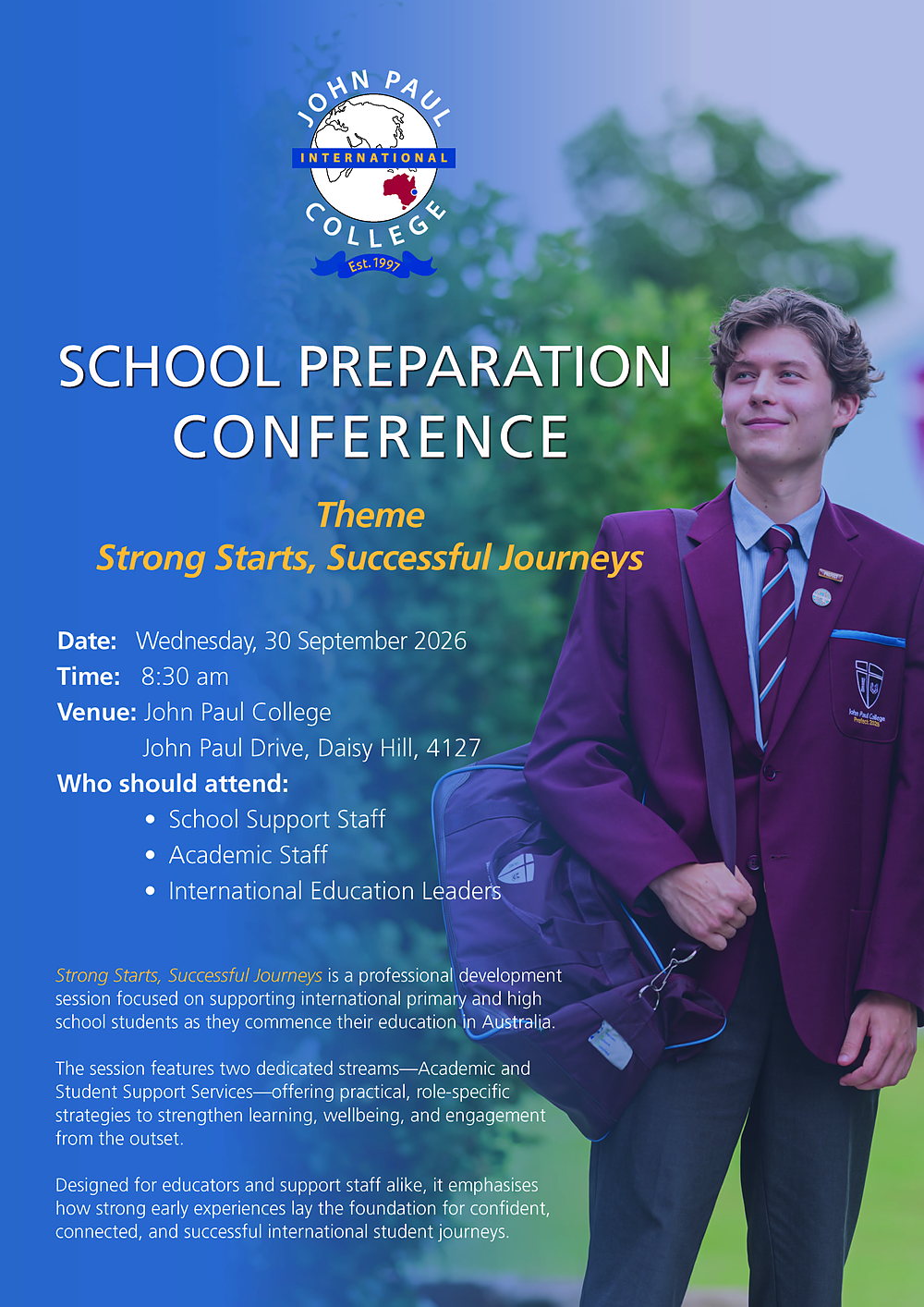
Thank you to everyone who joined us on Wednesday 30 September 2026.
Held Wednesday 30 September 2026, John Paul College, Daisy Hill
The Recap
2026 at a glance
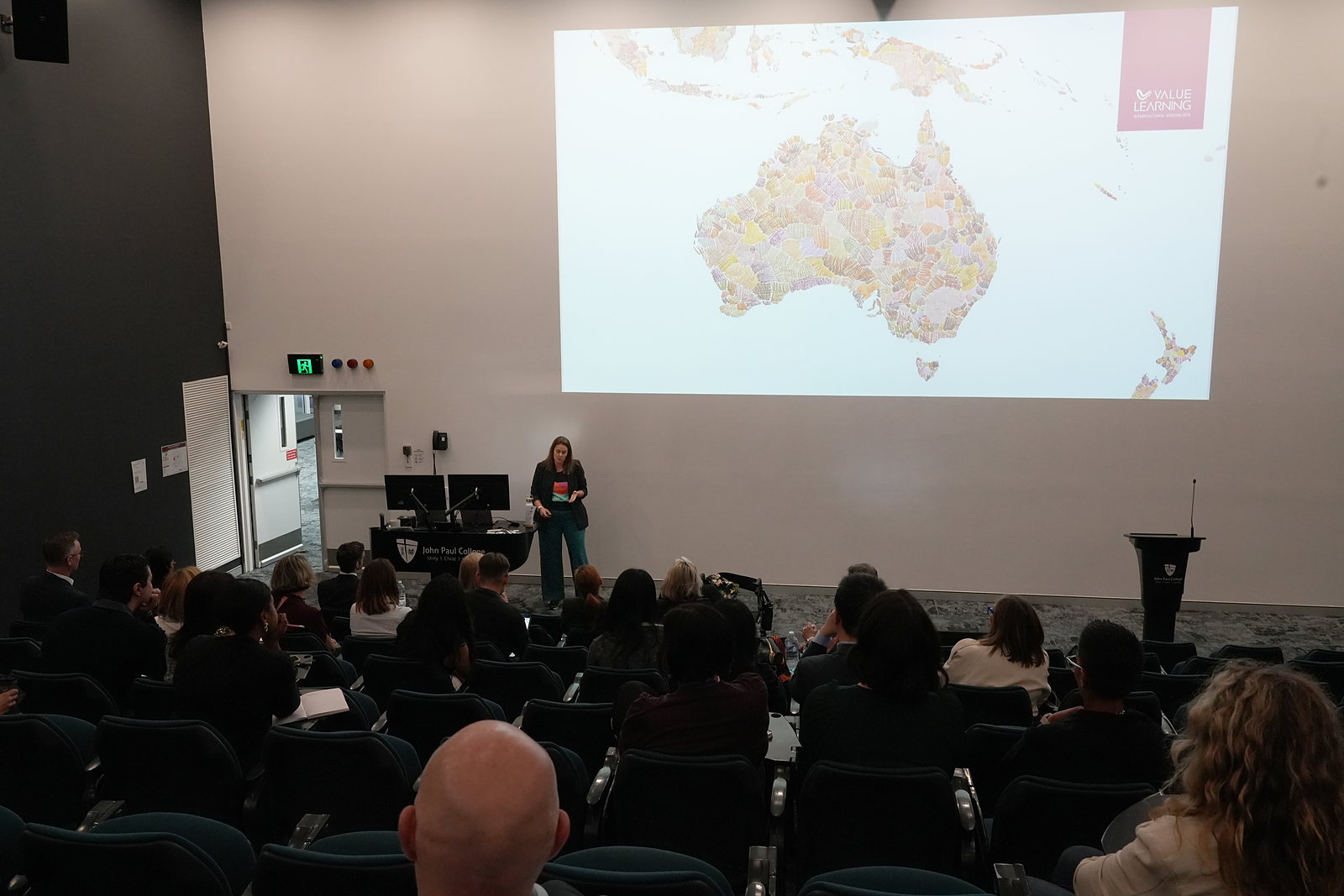
More than 50 educators from 40 schools and organisations joined us from Sydney, Melbourne and Brisbane. Two streams, Academic and Student Support Services, explored how to build each student’s foundation for mainstream school.
-
Delegates
More than 50
-
Schools and organisations
40
-
From
Sydney, Melbourne and Brisbane
-
Streams
Academic, and Student Support Services
“I thought the conference was very well organised and all speakers were really good!”
“That was a FABULOUS conference. So not boring, such great vibes, very friendly people. I had such a good time.”
“I liked the two streams.”
The Conference
Strong starts shape the whole journey
Strong Starts, Successful Journeys was a free professional development day about supporting international primary and high school students as they begin their education in Australia.
School preparation is a whole journey. It is not only the first week or the first term. Every step builds each student’s foundation for mainstream school: English for learning, study skills, confidence, wellbeing and a sense of belonging.
The day had two streams, Academic, and Student Support Services. Each one shared practical strategies for a different role in that journey.
John Paul College has welcomed international students for 30 years. The day shared what three decades of preparing students for mainstream school have taught us, and made room for what delegates have learned in their own schools.
Two Streams
Choose the stream that matches your role
Student Support Services Stream
Presenters
2026 presenters
Our presenters came from schools, assessment bodies, English language programs and the wider international education industry. Each one brought a different piece of the same question: how do we prepare each student, step by step, for success in mainstream school? Select any presenter to read their session outline and bio.
-

Adam Kilburn
Chief Executive Officer
NEAS
KeynoteBeyond the Classroom: Homestay as Quality Assurance
LinkedIn profileThe session
NEAS is a not-for-profit quality assurance and membership body for English language education, with members ranging from schools to universities, TAFEs, and private colleges, teaching students of all ages. Schools are a growing and important segment of our membership, and for good reason: the younger the student, the more quality assurance matters, and the more that quality depends on what happens outside the classroom as much as inside it. For international students, adjusting to a new culture happens as much at the homestay dinner table as it does at school.
This session introduces NEAS, what we offer schools, and our new Homestay Association, extending quality assurance into where students live: host vetting and placement, child safety screening, critical incident procedures, 24-hour crisis support, and structured feedback between students, hosts, and schools.
If you manage or support homestay in a school setting, come away reassured about what you’re already doing well, and equipped with clear standards to build on. You’ll also get to learn more about the work of the association to research, promote and build capacity for homestay as an excellent student accommodation option.
About Adam
Adam Kilburn brings over 30 years of experience in the English Language Teaching (ELT) sector to his current role as CEO of NEAS Australia. He has previously held management roles across academic, marketing, and general operations, including managing a CELTA centre and overseeing multi-campus operations in Vietnam, Melbourne and Sydney for respectively universities, TAFE and private entities. With an MA in Language and Literacy and an MBA, Adam combines business skills with a deep understanding of ELT and international education.
-

Andrew Palmer
Director, Operations, Testing and Courses
AEAS
KeynoteBeyond the Score: Using Independent Assessment to Support International Students from Admission to Outcomes
LinkedIn profileThe session
International students can present strong overseas school reports, interview confidently and appear well prepared for Australian schooling, but that does not always mean they are ready for the academic language demands of the classroom. Schools need reliable evidence to make informed decisions, both before a student is admitted and as they progress through school.
While many schools use independent assessment to guide admission, placement and English language support, others rely on school reports, interviews, self-administered testing or internal judgements. This can result in significant variability in student preparedness, and introduces risk for both students and schools.
This presentation considers the role of the AEAS Test as an independent assessment tool across three stages of the international student journey: application and admission; academic support and progress; and student outcomes.
Drawing on more than 40 years of AEAS assessment experience and recent case studies, it examines how externally benchmarked assessment can support admission and placement decisions, identify English language support needs, measure progress and inform transition from intensive English programs or ELICOS. Longitudinal assessment data can also help schools validate internal judgements, identify students whose progress requires closer attention, and evaluate the effectiveness of English language support.
The final stage, presented with John Paul International College, examines student outcomes after transition into mainstream schooling, connecting evidence of initial readiness and English language development with subsequent performance at school.
Designed for educators, international student coordinators, admissions and enrolment staff, and school leaders, the session shows how independent assessment can support more consistent, evidence-based decisions from application right through to the classroom.
About Andrew
Andrew Palmer has worked in education and training for more than 25 years, with a career spanning Australia, New Zealand, Japan and China. He began in teaching and academic leadership before moving into education management, international programs and broader operational leadership, including senior roles in TAFE, international education and community-based education and training, and a period as Chief Executive Officer of Northern Futures.
His experience in English language assessment runs deep. At The Gordon Institute of TAFE he established and managed the Geelong Pearson Test Centre, overseeing high-stakes English language and professional testing. He has also led international education projects and partnerships, redesigned ELICOS and EAL language programs and pathways, and managed government and commercial education contracts.
As Director, Operations, Testing and Courses at AEAS, Andrew works across assessment, education programs and operational improvement. He has a particular interest in how assessment data can help schools understand international student readiness and support successful educational outcomes, and in how technology can be used thoughtfully to improve assessment and education delivery.
He holds a Master of Education (TESOL), a Diploma in International Business, a Bachelor of Education (Secondary) and a Certificate IV in Training and Assessment.
-
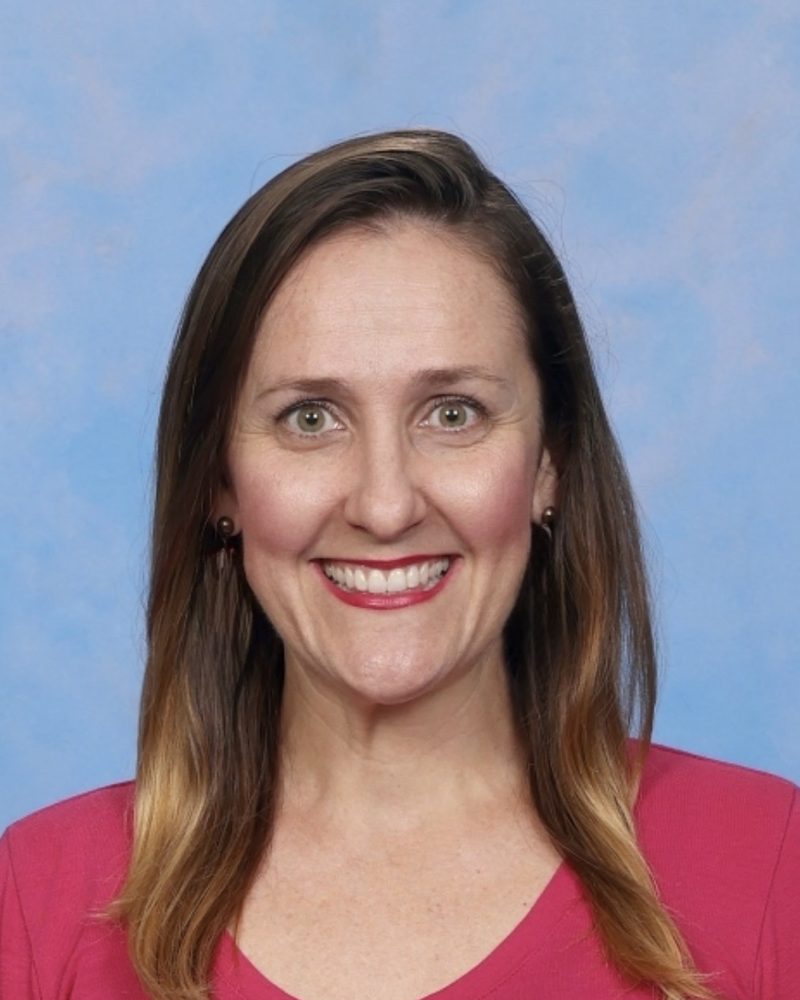
Kristen Boddy Magri
Principal Administrator and Academic Manager
Citipointe Christian College International
Academic streamUnderstanding and Addressing Language Attrition in EAL/D Learners
LinkedIn profileThe session
Language attrition, the reduction, simplification or impaired access to a language a learner has already acquired, is a natural and often overlooked part of second language development. This presentation draws on observations from a Secondary School Preparation Program (SSPP) to examine how attrition shows up in adolescent EAL/D learners moving into mainstream secondary education.
The session explores the key patterns of attrition, including weakened linguistic representation and reduced fluency, particularly in productive skills. It also highlights the heightened vulnerability of intermediate-level learners, whose progress can plateau or regress without sustained support despite earlier gains in proficiency.
Contributing factors (frequency of language use, cognitive load, motivation, social environment and access to specialist support) are examined in relation to classroom practice and learner outcomes. Drawing on current research and practitioner experience, the presentation challenges deficit thinking by reframing attrition as a predictable, developmental phenomenon rather than a failure: a shift that matters if learners who start strong are not to lose confidence along the way.
It closes with practical, evidence-informed strategies for slowing attrition in school settings: embedding sustainable language learning habits, encouraging regular engagement with productive skills, using goal-setting frameworks to sustain motivation, and fostering intentional support networks across educational contexts.
Participants leave with a deeper understanding of how attrition works and actionable strategies to support long-term language maintenance and growth in secondary settings, so students have not only strong starts, but successful journeys.
About Kristen
With more than 20 years of experience in English language education, Kristen is an academic leader dedicated to supporting English as an Additional Language (EAL) learners and the teachers who work with them. At Citipointe Christian College International she oversees the Secondary School Preparation Program, the Homestay Program and the mainstream English Language Studies Program, guiding students as they move into and through secondary schooling in Australia.
Her specialist qualifications in linguistics, TESOL and secondary education sit alongside extensive experience in educational leadership. Work across Hong Kong, Brazil and Australia has given her close insight into the linguistic, cultural and academic challenges EAL learners face, shaping a practical, student-centred approach to curriculum design, pedagogy and teacher development.
Kristen is passionate about equipping teachers with the knowledge, strategies and confidence to create engaging, inclusive classrooms where EAL students can access the Australian Curriculum with increasing independence. She believes empowered teachers are the key to successful student outcomes.
-
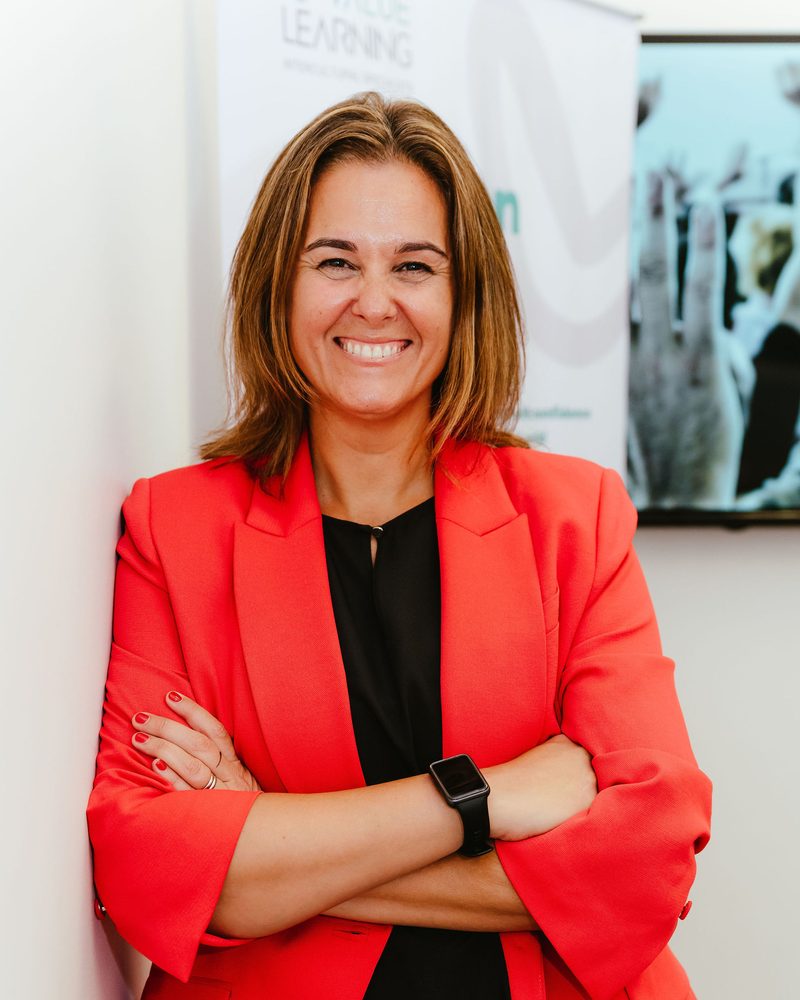
Marcela Lapertosa
Co-founder and Director of Education
Value Learning, Intercultural Specialists
Closing PlenaryClosing Plenary
Session outline to be confirmed.
Marcela Lapertosa is a child psychologist with a Master's degree in Cross-Cultural Psychology and a passion for fostering intercultural understanding. As an intercultural facilitator and trainer she has travelled the world delivering intercultural learning training and coaching to students, host families, volunteers, executives and educators.
Marcela led the development of multiple intercultural learning curricula designed to strengthen study abroad experiences, including the AFS Global Competence Certificate and the host family journey, the framework that guides host family recruitment, support and training in more than 60 countries worldwide.
An advocate for global citizenship education, she has organised and spoken at conferences around the world. She has worked with the Departments of Education in Victoria, Tasmania and Queensland to bring programs to life for students from Prep to Year 12, alongside professional learning for educators and school communities. Marcela is co-founder and Director of Education at Value Learning, Intercultural Specialists.
-
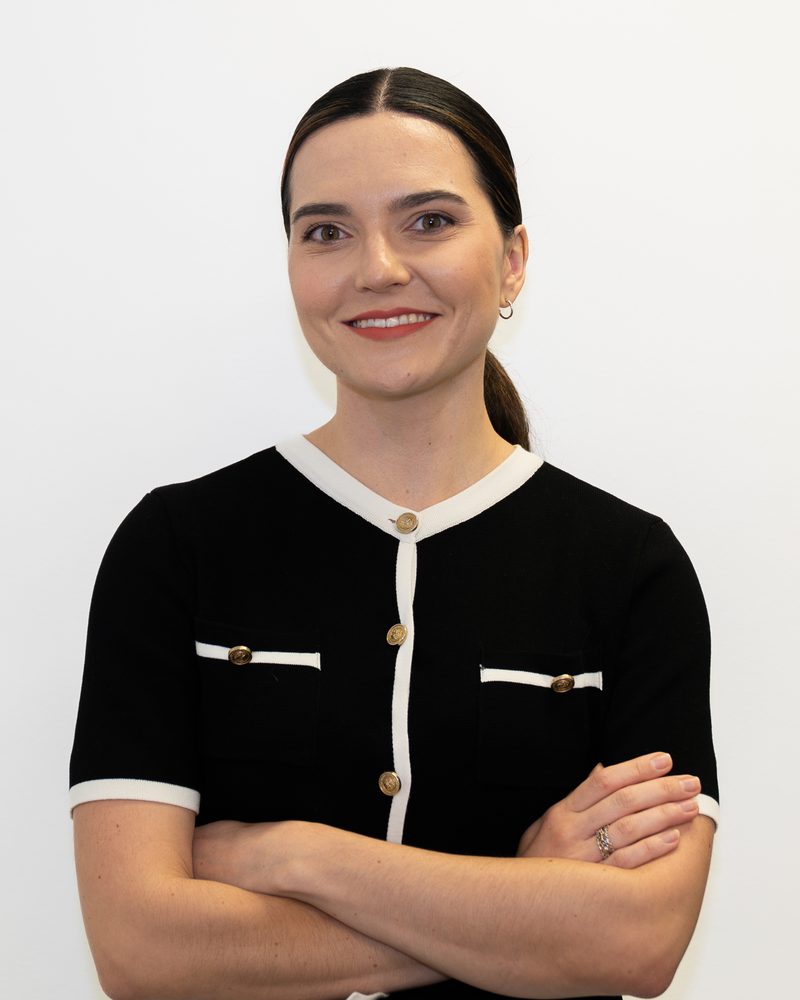
Natalya Londy (Naumova)
ELICOS Director of Studies
Charlton Brown (The NIET Group)
Academic streamThe Onboarding Architecture: Designing a First-Week Experience That Sets International Students Up to Stay
LinkedIn profileThe session
The first week of an international student's school journey is rarely neutral. It is either a foundation or a fracture point. Yet in many programs onboarding remains an afterthought: a tour, a timetable, and a hope that students find their footing.
This session presents a practical, replicable framework for designing intentional first-week experiences in international primary and high school preparation programs. Drawing on systems developed at Charlton Brown's School Preparation Programs in Brisbane, it walks participants through the key components of a structured onboarding architecture, from academic readiness assessment and cultural orientation to parent communication systems and the often-overlooked power of informal check-ins.
This is not a finished blueprint. It is an honest account of what works, what is still evolving, and what the evidence suggests about why strong early experiences are one of the greatest levers a program leader has for retention, wellbeing and long-term student success.
Attendees leave with a clear framework they can adapt to their own institutional context, and the questions they should be asking about their current Week 1 experience.
About Natalya
Natalya Londy (Naumova) is Director of Studies at Charlton Brown, where she leads the academic operations of an ELICOS program supporting international students. Her role covers leading and mentoring a diverse teaching team, ensuring compliance with national quality standards, driving curriculum development, and creating an engaging learning environment that helps General English and PSP/HSP students reach their language and educational goals.
Before becoming a Director of Studies she worked as an ESL teacher and Assistant Director of Studies at EF Education First, where she designed curricula, led professional development for teachers and implemented initiatives that improved student outcomes and satisfaction. Earlier in her career she was a Learning Development Teacher Aide at Somerville House, supporting students with diverse learning needs including English as an Additional Language, dyslexia, ADHD and autism.
She is also the founder of AussieRead, a not-for-profit literacy initiative that provided phonics-based English instruction to Ukrainian refugee children in Australia, helping young learners build the confidence and foundational literacy for an easier transition into mainstream schooling during a particularly difficult time in their lives.
Natalya is completing a Master of Education at QUT, specialising in TESOL and educational leadership. Her research interests include teacher development, curriculum design, educational leadership and inclusive learning environments. Across every role she has held, the passion has stayed the same: empowering both learners and educators.
-
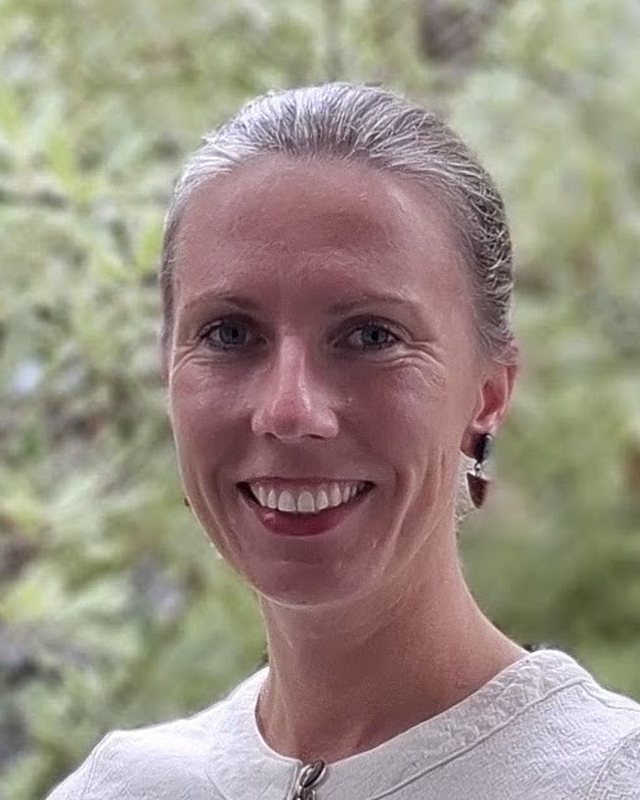
Natasha Tereshchenko
Founder
Global Adapt
Recorded sessionBeyond Day One: Support Through the Six-Month Wall of International Education
Watch it now. Watch the recorded session on this page.
LinkedIn profileWatch the session
Natasha did not present on the day. Her session was recorded so you can watch it in your own time. Watch the recorded session on this page.
The session
A strong start is easy to manage and hard to sustain. International students arrive to orientation, a buddy system and a warm welcome. Then, near the end of the first term, many hit a predictable wall: language fatigue, academic load, homesickness and the practical challenges of daily living all arriving at once, long after the welcome has faded and attention has moved on.
This session reframes the strong start as something built for the whole journey, not just the first week. Using a five-phase transition framework (Orient, Design, Prepare, Accompany, Embed), it focuses on accompanying students through the mid-term dip, and embedding belonging into the structures around them rather than the relationships alone. Pastoral care does essential relational work; this session shows how to give that work structural backing, so it no longer rests on any one staff member's goodwill.
Participants leave with a one-page diagnostic for locating where their own support has gaps, and a short set of low-cost, no-new-staffing changes that make a strong start strong enough to last.
What you will take away
- Recognise the predictable pressure points where standard onboarding drops off
- Map your school's support against a five-phase transition model to surface structural gaps
- Apply two or three low-cost, role-specific changes that embed belonging beyond individual pastoral relationships
About Natasha
Natasha Tereshchenko is the founder of Global Adapt, an intercultural education practice that helps schools, universities and families navigate transition and belonging in international education.
Over the past seven years she has worked as a teacher and a leader across schools in Europe, Asia and Australia, supporting students from diverse backgrounds and with diverse needs. Before that she spent a decade in international development and in refugee and conflict settings, including contributing to OECD and UNODC frameworks. She holds an MA in Anthropology and an MSc in International Development, and is a qualified teacher.
Natasha works with leadership and student services teams on belonging audits, staff training and international program design, turning pastoral care from ad hoc support into a structure a school can rely on, and one that helps students stay, settle and thrive.
-
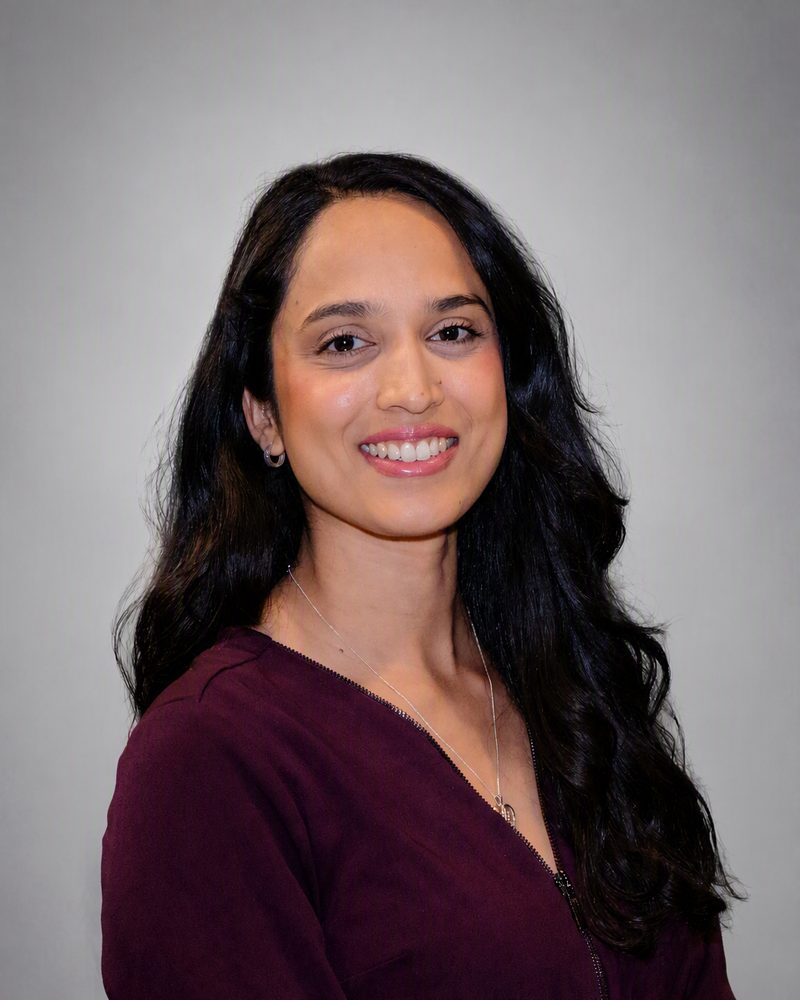
Samantha Sequeira
Senior Global Partnerships Manager
StudyTravel
Student Support Services streamBuilding Agent Partnerships That Support Student Success
LinkedIn profileThe session
For many international students, the journey begins long before they submit an application or arrive on campus. Education agents are often the first point of contact, helping shape student expectations, inform decision-making and influence study destination choices. Identifying and partnering with quality agents is therefore an important first step in supporting positive student outcomes.
This session explores practical and cost-effective approaches to finding, evaluating and engaging education agents. Participants will learn how to discover prospective partners using free and low-cost resources, including professional networks, agent directories and country-specific association memberships. The session also highlights the key indicators of quality partners: those who demonstrate professionalism, credibility and a commitment to ethical counselling practices.
Attendees gain actionable insight into preparing for and maximising agent networking events and conferences: how to identify the right prospects, conduct meaningful conversations, and build productive relationships beyond the initial meeting. They leave with practical strategies to improve agent sourcing and partner selection, helping institutions establish recruitment partnerships that contribute to stronger starts and successful journeys for international students.
About Samantha
Samantha Sequeira is the Senior Global Partnerships Manager at StudyTravel (ST Alphe Conferences and StudyTravel Magazine), with a background in marketing, business development and relationship management across the international education sector.
In her current role she works with education partners around the world, leading strategic partnerships, industry engagement and business development initiatives. She also supports the planning and delivery of industry events, sponsorship programmes and marketing campaigns that connect education providers with international recruitment partners.
Before joining StudyTravel, Samantha held marketing roles with the University of Hertfordshire in the UK and Business South Bank in Australia, where she developed and delivered B2B marketing campaigns focused on stakeholder engagement, commercial objectives and brand development. Having lived and worked in both the UK and Australia, she brings an international perspective to partnership development and student mobility, and is passionate about building meaningful industry relationships across the education sector.
Recorded Session
Watch: Beyond Day One
Natasha Tereshchenko of Global Adapt recorded her session for delegates to watch in their own time. It looks at the wall many international students hit near the end of their first term, and how schools can build support that lasts.
Natasha TereshchenkoFounder, Global Adapt · 48 minutes
Program
2026 program
The day as it ran on 30 September 2026. Keynotes and plenaries were for everyone, and the stream sessions ran in between. Pick a stream below to see the sessions written for it.
Show me
-
8:30 amto 9:00 amArrival · Provided
Registration, arrival tea and coffee
Hosted by John Paul International College
Gorman Building, Level 3
-
9:00 amto 9:05 amEveryone
Welcome and housekeeping
 Rebecca Gallagher · Head of John Paul International College
Gorman Lecture Theatre
-
9:05 amto 9:45 amOpening Plenary · Everyone
Opening Plenary
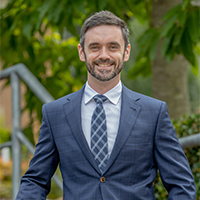 David Ferguson · Deputy Principal, International and Accommodation, John Paul College
Gorman Lecture Theatre
-
9:45 amto 10:30 am
Two sessions ran at once
Your stream Academic streamUnderstanding and Addressing Language Attrition in EAL/D Learners
Kristen Boddy Magri · Citipointe Christian College International
Bradley
Your stream Student Support Services streamBuilding Agent Partnerships That Support Student Success
Samantha Sequeira · StudyTravel
Bradley
-
10:30 amto 11:00 amProvided
Morning tea
Hosted by John Paul International College
Gorman Building, Level 3
-
11:00 amto 11:45 amKeynote · Everyone
Beyond the Classroom: Homestay as Quality Assurance
Adam Kilburn · Chief Executive Officer, NEAS
Gorman Lecture Theatre
-
11:45 amto 12:30 pmEveryone
The Onboarding Architecture: Designing a First-Week Experience That Sets International Students Up to Stay
Natalya Londy (Naumova) · Charlton Brown (The NIET Group)
Bradley
-
12:30 pmto 1:00 pmProvided
Lunch
Hosted by John Paul International College
Gorman Building, Level 3
-
1:00 pmto 1:45 pmKeynote · Everyone
Beyond the Score: Using Independent Assessment to Support International Students from Admission to Outcomes
Andrew Palmer · Director, Operations, Testing and Courses, AEAS
Gorman Lecture Theatre
-
1:45 pmto 2:30 pmEveryone
Knowing What Your Students Know: Diagnostic Language Testing for International English Learners
Bradley
The session
Knowing exactly what your students know and can do in English has been a perennial challenge. While experienced teachers develop strong intuitions about their learners' levels and progress, they often lack an empirical way to pinpoint specific gaps in knowledge and ability.
Diagnostic language testing offers a powerful solution: the capacity to identify the precise strengths and weaknesses of every learner, producing data that can drive personalised lesson planning and clever classroom management strategies, such as pairing students who share the same areas of need, or differentiating a group task.
This session describes the development of a diagnostic English language test for the Australian high school sector, the theory of language it rests on, and the statistical model that underpins it all.
Attendees will walk away with a deeper understanding of how diagnostic testing works, and how the resulting data can inform everyday teaching decisions in international student programs to improve outcomes and predict mainstream readiness.
-
2:30 pmto 3:15 pmClosing Plenary · Everyone
Closing Plenary
Marcela Lapertosa · Co-founder and Director of Education, Value Learning
Gorman Lecture Theatre
-
3:15 pmto 4:15 pmProvided
Afternoon tea and networking
Hosted by John Paul International College
Gorman Building, Level 3
The 2026 conference was free to attend, with morning tea, lunch, afternoon tea and on-site parking provided.
Who Should Attend
Written for three groups of people
If a new international student passes through your hands in their first term, this day was built with you in mind.
-
Academic Staff and Teachers
Classroom teachers, heads of department and curriculum leaders working with international students in mainstream subjects.
-
School Support Staff
Admissions, marketing, student welfare and wellbeing teams. These are the people a student and their family meet first, and turn to most.
-
International Education Leaders
Program directors, international coordinators and school leaders responsible for how an international program is designed and run.

On the Day
Practical, not theoretical
The day brought together speakers, working sessions and conversations with people doing the same job in other schools.
-
Engaging Speakers
Practitioners talking about what worked, what did not, and what they changed.
-
Hands-on Workshops
Working sessions inside your stream, with strategies you leave holding.
-
Industry Connections
Time with colleagues from other schools who face the same first-term questions.
-
Fresh Ideas and Inspiration
A reset on how a student's first weeks can be designed, rather than survived.
2026 Venue
John Paul College, Daisy Hill
-
Where it was held
The 2026 conference was held on our Daisy Hill campus, John Paul Drive, Daisy Hill, Queensland 4127. The campus sits between Brisbane and the Gold Coast, about 25 km south of the Brisbane CBD.
-
Hosted by the College
Sessions ran in the Gorman Lecture Theatre and Bradley, with morning tea, lunch and afternoon tea provided by the College.

Register your interest for 2027
Would you like to attend our next School Preparation Conference? Register your interest and we will contact you first when details are confirmed.
Interested in presenting? Send us a short session idea.